-

You may have seen Hot Money Girl (1959) and not even have known it. It’s also called The Treasure of San Teresa and Long Distance. A late-50’s Euro-thriller by any other name… is still a late-50s Euro-thriller. Were it not for the fact that Christopher Lee appears in a small, but important role, you wouldn’t…
-

Maneaters Are Loose! (1978) is an example of the limitations faced when adapting a novel into a movie. I haven’t read Manhunter by Ted Willis; however, I imagine it has parts in which escaped tigers actually pose a physical threat, not just roll around on the ground with each other in scenes that look like…
-

The first revelation about The Time Machine (1978) was that it was made under the brand of Classics Illustrated, the timeless comic book series adapting literary stories. I never knew there was a television “version” of the comic, much less that there were seven other movies in the series, including The Legend of Sleepy Hollow…
-
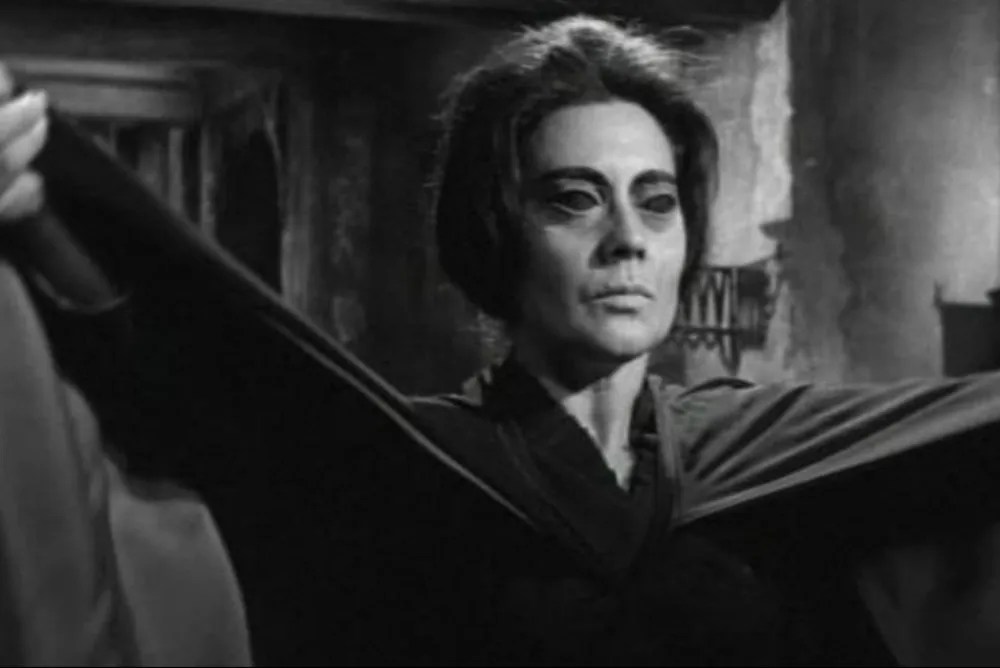
Released in 1963, two years after production was completed, The Curse of the Crying Woman, is the fourth Mexican horror film dealing with the subject of La Llorona, “the crying woman” or “the wailer.” However, it’s the furthest removed from the original legend of a vengeful ghost that roams near bodies of water mourning the…
-

Strategically airing two months before Moonraker was released in theaters, The Billion Dollar Threat (1979) is an Americanized version of James Bond that could be considered either an homage or a rip-off. It has the women and the innuendo, the lab and the gadgets, and a villain’s henchman with not metal teeth, but a metal…
-
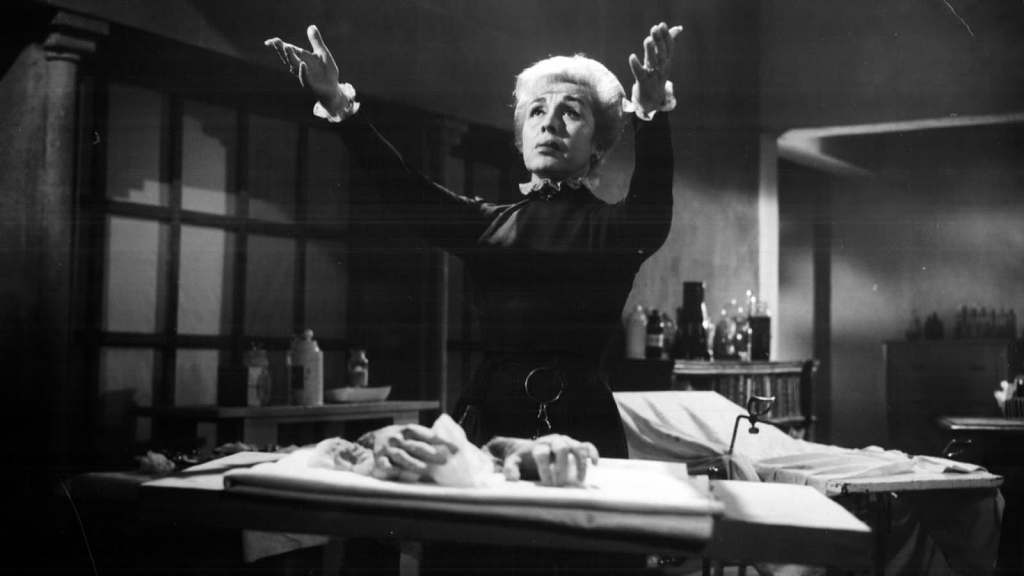
In my review of Black Pit of Dr. M (1959), I wrote about a characteristic that seemed common among the Mexican horror films I’d seen so far. The Witch’s Mirror (1962) corroborates it. Three out of four movies from the Indicator Mexico Macabre box set, plus the handful I’ve seen at Monster Bash, all have…
-

In the summer of 1937, Topper was a huge hit with moviegoers. It spawned two sequels (Topper Takes a Trip, 1938, and Topper Returns, 1941) and a television series in 1953 that ran for two seasons (78 episodes.) In 1973, a pilot was produced for a new series, Topper Returns. It didn’t make it to…
-
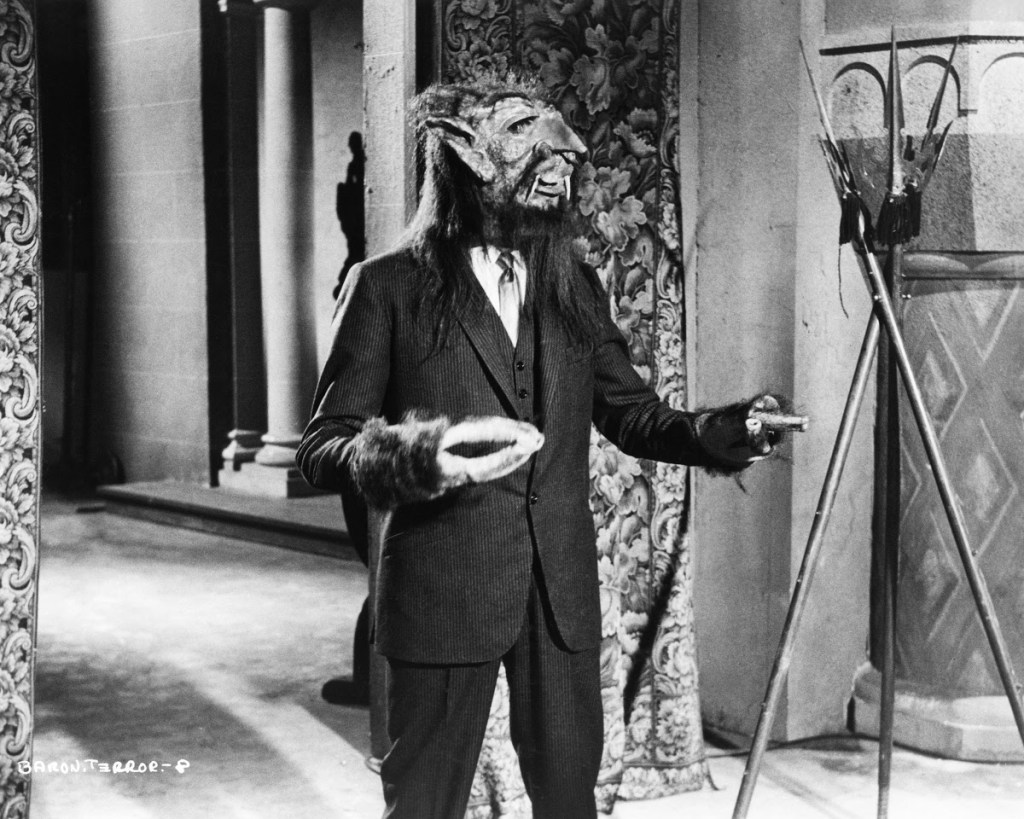
In the wonderful and fact-filled book that comes with Indicator’s Mexico Macabre box set, Jose Luis Ortega Torres says about The Brainiac: …it is with this grotesque monster that Mexican cinema finds it greatest, one-hundred percent native horror icon, without any recognizable antecedent in any foreign myth or folklore. He is not a vampire or…
-
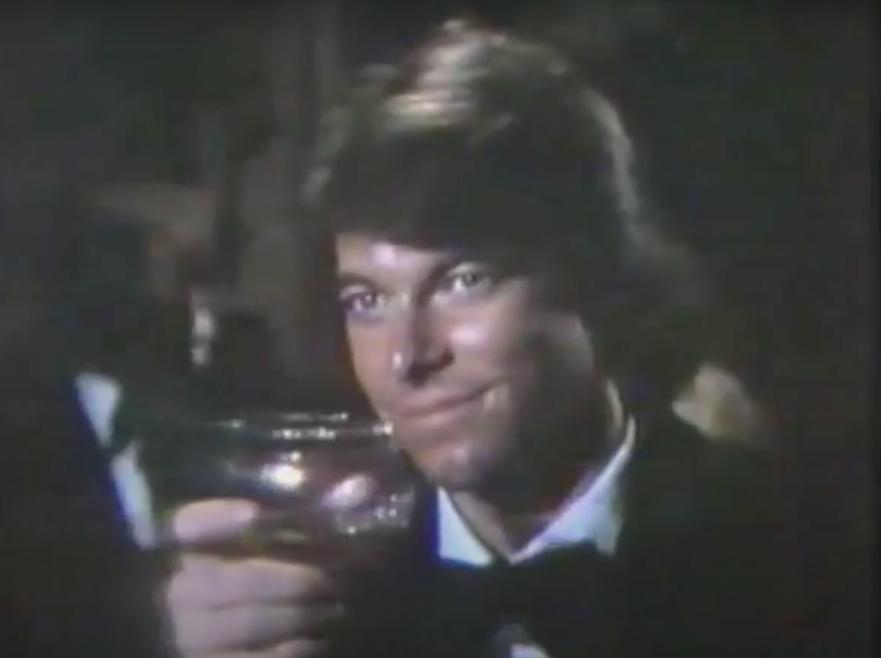
Even though it has a compelling title, The Night the City Screamed (1980) doesn’t really belong in this series. I watched it because it was about a blackout and I thought it’d have a little bit of a disaster movie vibe to it. The closest it comes is a handful of people trapped in an…
-
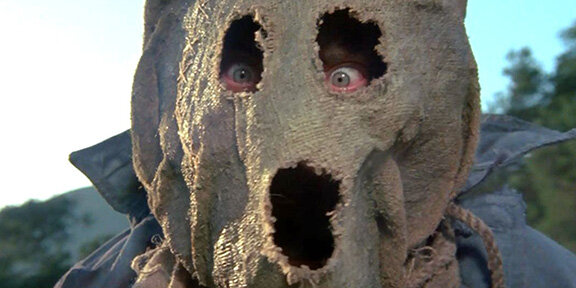
Note: This was a first-time viewing for me. I received the Blu-ray I ordered on the day it was featured on The Last Drive-In with Joe Bob Briggs. I watched the Blu-ray and, as you will read, I don’t regret my purchase. Wow, this is one movie that not only lives up to its reputation,…
-
Subscribe
Subscribed
Already have a WordPress.com account? Log in now.
 Classic Horrors Club